Dhan Gopal Mukerji was perhaps the best-known Indian writer of the early 20th century who published in English. In the 1910s, he took part in the Bengali resistance, and at the age of twenty, he was forced to leave India. Soon after, he settled in New York. Cut off from his homeland, Mukerji began writing to cope with nostalgia — and to support himself and pay for his education. Most of his books are about India. He describes the lives of ordinary people in jungles or mountain villages with precision and honesty, without sentimentality. Unlike Kipling, whose animals often behave like humans, Mukerji writes about them as a curious observer, without romanticizing the relationship between humans and animals.
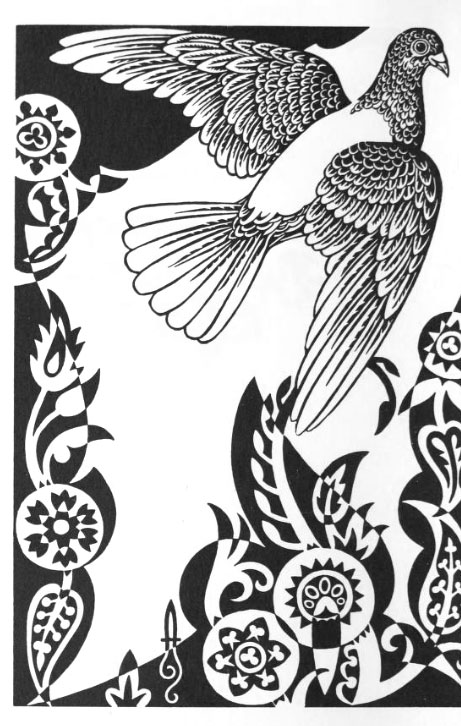

His most successful children’s book, Gay-Neck, The Story of a Pigeon, was written in 1928 and won the Newbery Medal that same year.
The story, which Mukerji said was meant to show that birds and humans are kindred spirits, is largely autobiographical. It draws on his own childhood, when young Dhan spent nearly all his time at the family pigeon coop.

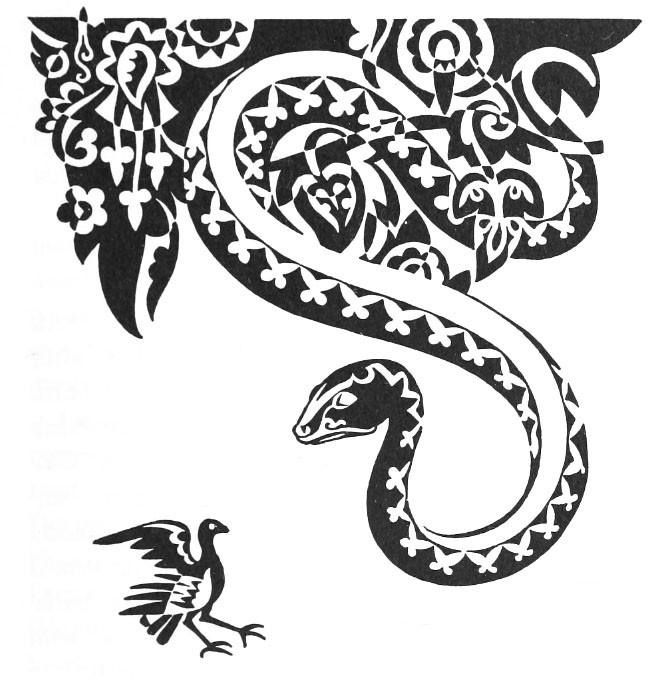
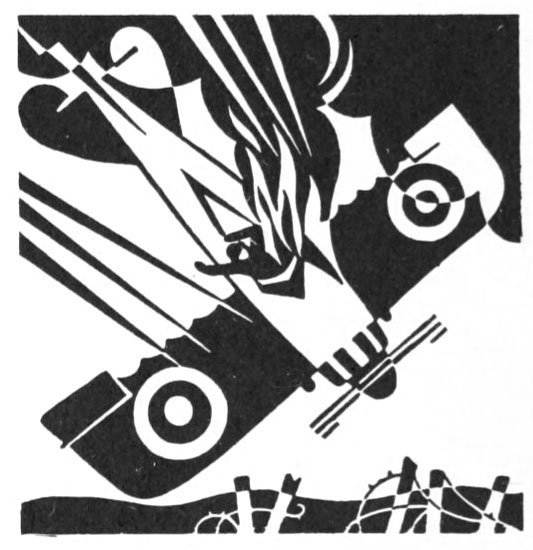
The book follows the legendary carrier pigeon Gay-Neck, who ends up in France during the First World War. While the battles rage, he delivers crucial messages and, once his “service” is over, returns home to India, trying to live a normal pigeon life. But the war leaves deep scars — both on Gay-Neck and his owner, Gond. “I need to heal from fear and hatred,” Gond says, “I have seen too much killing and cruelty.” Together, man and bird retreat into the depths of the Himalayas, where a Buddhist monastery offers them refuge. There, they confront their fears and find inner peace.
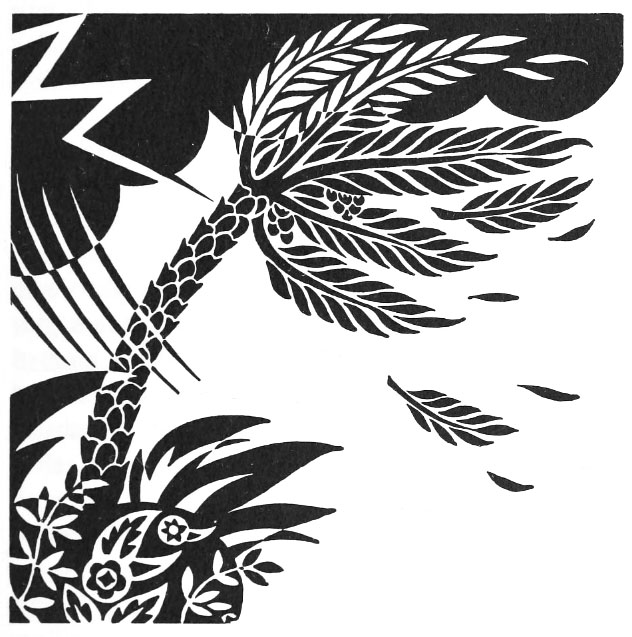

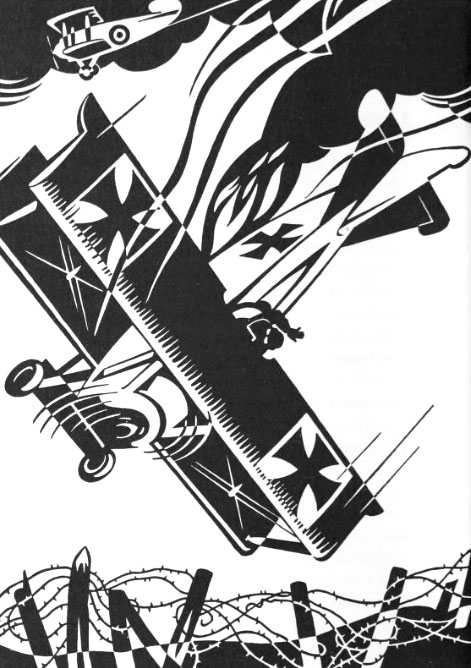
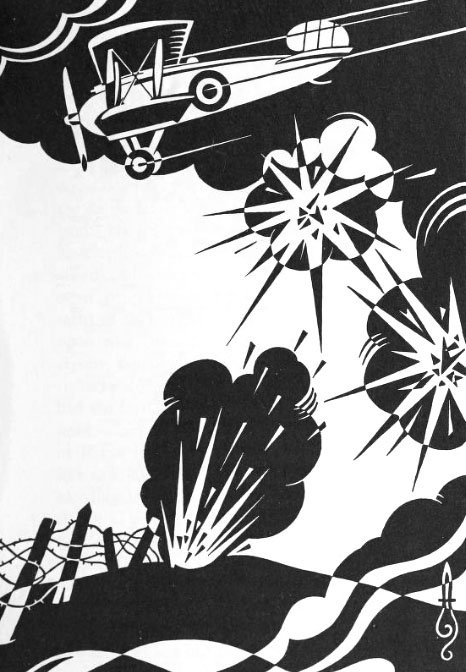
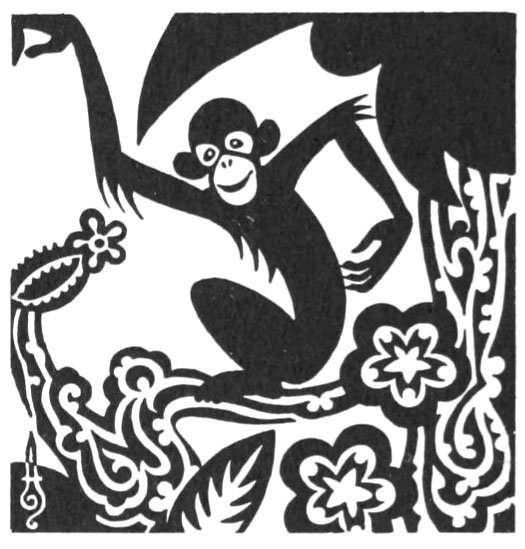
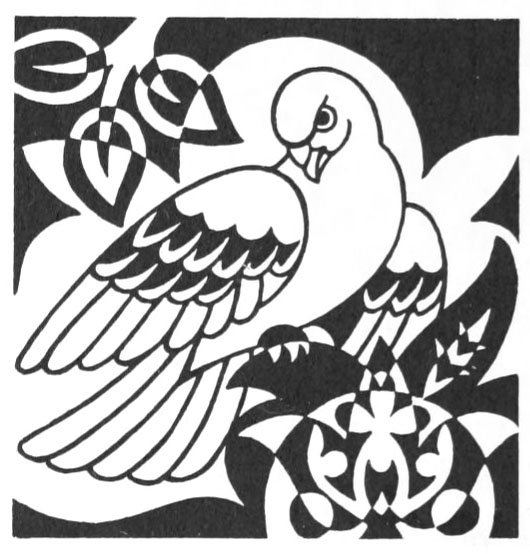
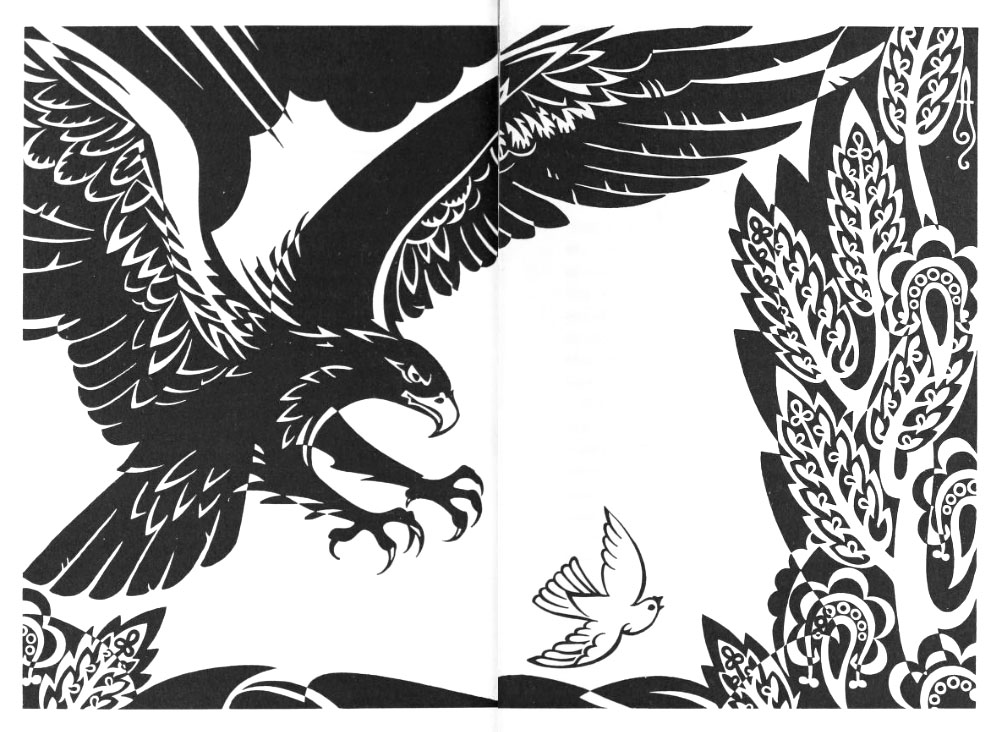
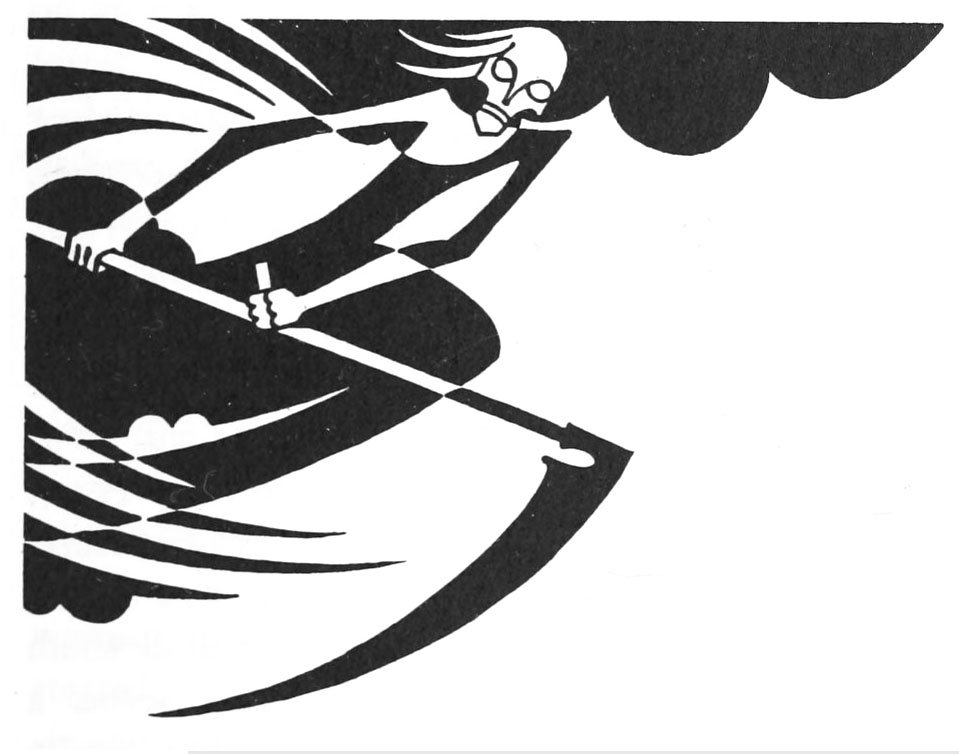
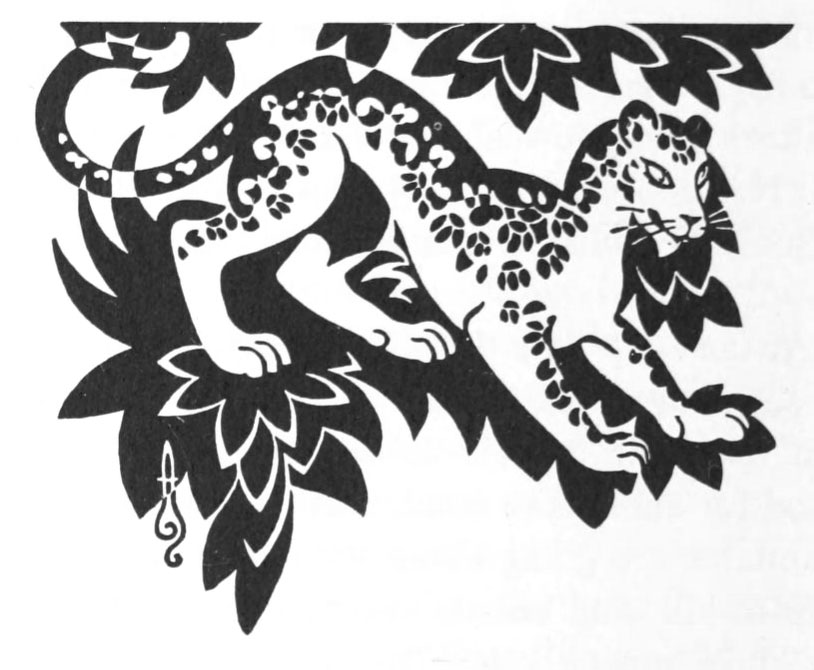
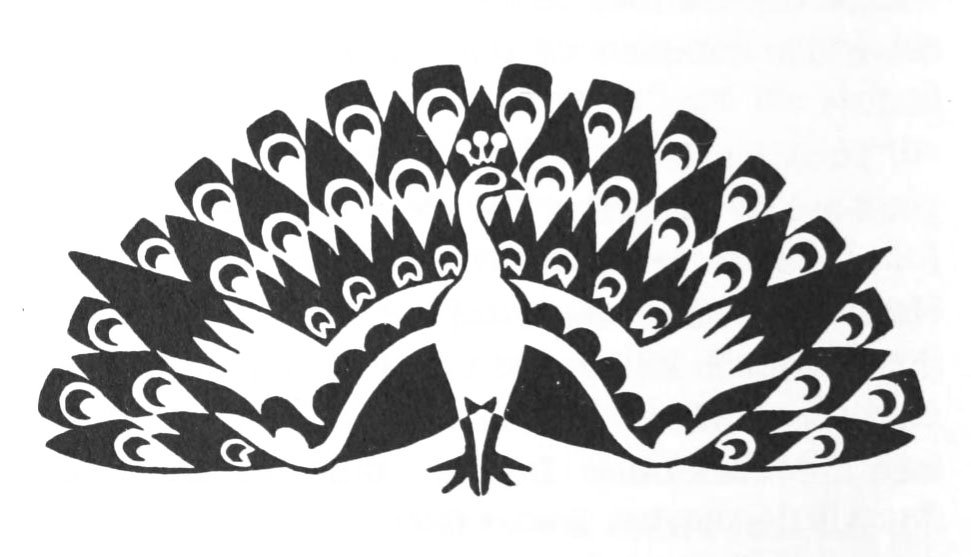
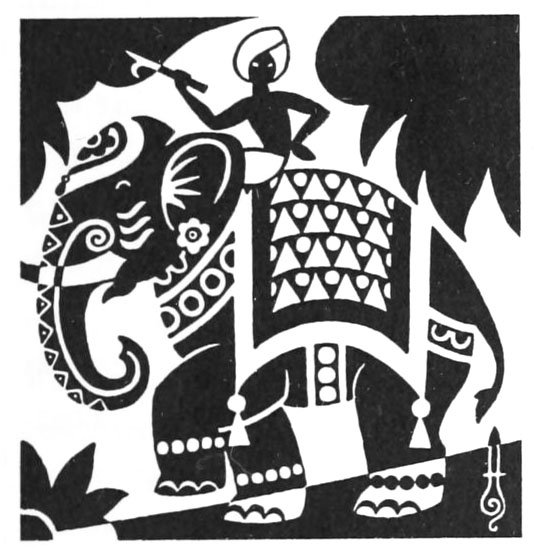
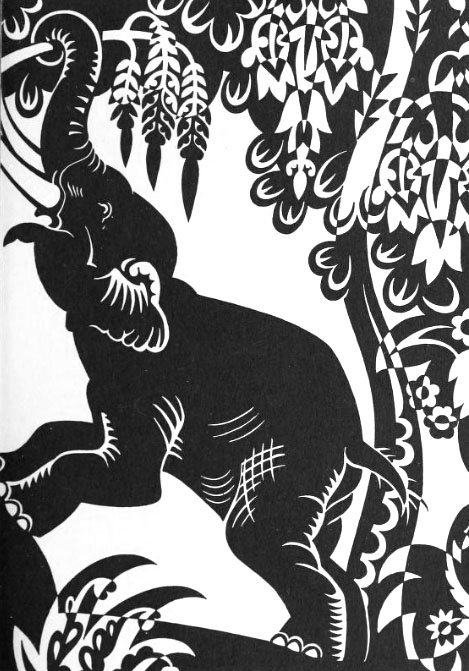
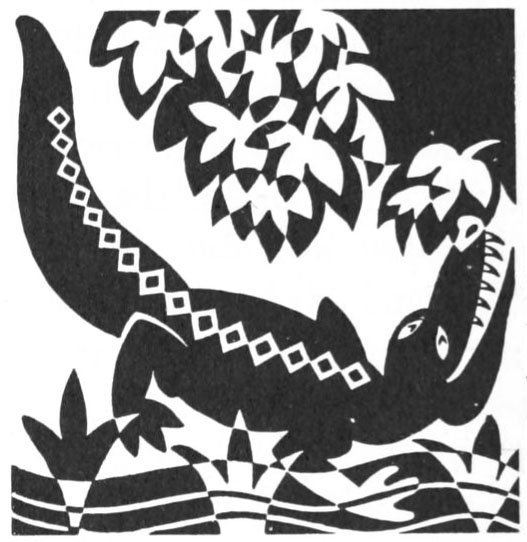
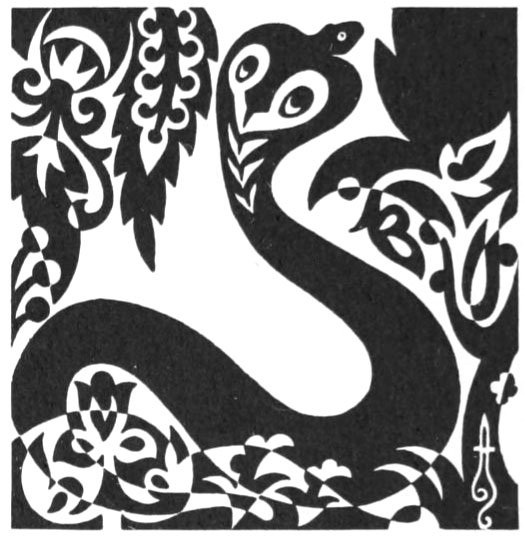
The book is illustrated with striking black-and-white images, full of intricate patterns and designs, by Boris Artzybasheff, an American artist of Russian origin. Emigrating to the United States during the Russian Civil War, Artzybasheff quickly gained recognition as a designer and illustrator. He began in a small engraving workshop in New York, and within a few years became one of the most sought-after illustrators of his time.


Artzybasheff is also known for his covers for Life, Fortune, and Time, which brought him widespread popularity. Over his career, he illustrated more than fifty books and created countless posters, advertisements, and drawings.